Nutritional Insights for Men's Wellness
Discover the fundamental principles of balanced nutrition, exploring key dietary components, vitamins, and minerals that contribute to men's overall well-being. This educational resource provides evidence-based information to help you understand the role of nutrition in supporting daily health and vitality.
Learn More
Introduction to Men's Nutritional Foundations
A balanced diet forms the cornerstone of sustained well-being. For adult men, understanding nutritional fundamentals—including macronutrients, micronutrients, and hydration—enables informed dietary choices that support daily energy, physical activity, and long-term health. This section explains the general principles without prescribing specific dietary regimens.
The human body requires a diverse range of nutrients to function optimally. Rather than following rigid rules, the goal is to understand how different food groups contribute to overall health and energy levels. Men's nutritional needs vary based on age, activity level, and individual circumstances, making general knowledge about food composition essential.
Explore MacronutrientsBalanced nutrition supports daily vitality and well-being

Essential Vitamins Demystified
Vitamins play crucial roles in numerous bodily functions, from energy metabolism to immune support and tissue repair. Different vitamins—such as A, C, D, E, and the B-complex—serve distinct purposes in maintaining bodily systems. Understanding where these vitamins naturally occur in food sources empowers informed dietary choices.
Rather than viewing vitamins as isolated nutrients, they work synergistically within a balanced diet containing whole foods, vegetables, fruits, grains, and proteins. This section explores the general roles of common vitamins without making specific health claims or recommendations.
Explore Vitamins & MineralsKey Minerals and Their Dietary Sources
Minerals such as zinc, magnesium, and selenium contribute to various physiological processes including enzyme function, immune response, and muscle operation. These elements are naturally present in numerous everyday foods, from legumes and whole grains to nuts, seeds, and leafy vegetables.
Rather than supplementation concepts, this exploration focuses on how diverse, whole-food-based diets naturally provide the minerals necessary for systemic balance and daily function. Understanding food sources allows for thoughtful dietary variety.
Learn More About Minerals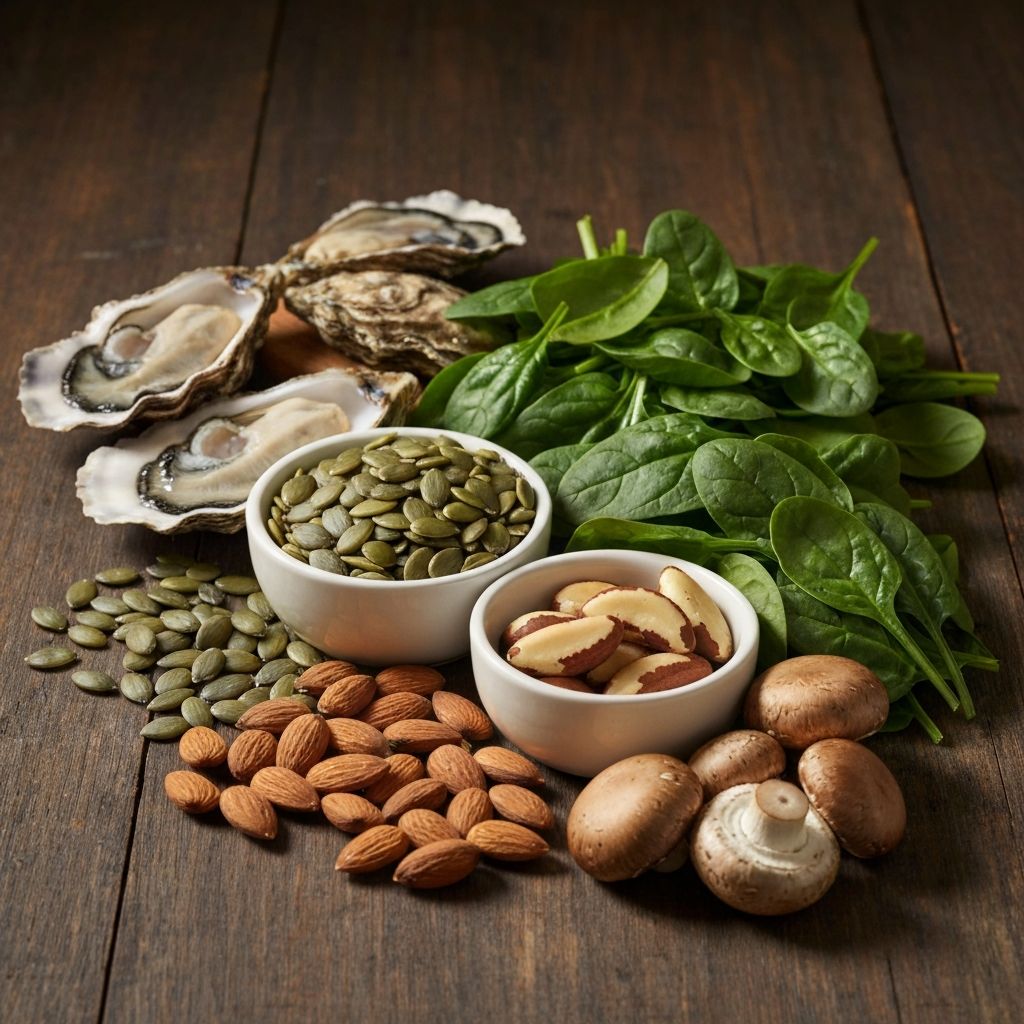
Core Dietary Components
Protein Power: Beyond Muscles
Protein serves functions far beyond muscle development. It supports tissue repair, enzyme production, hormone synthesis, and immune function. Both animal and plant-based sources provide complete or complementary amino acids, making dietary variety key to meeting protein needs.
Learn MoreHealthy Fats in Diet
Different types of fats—monounsaturated, polyunsaturated, and saturated—each serve distinct roles in nutrition. Beyond energy provision, fats are essential for nutrient absorption, cell structure, and hormonal balance. Understanding food sources allows informed dietary choices.
Learn MoreCarbohydrates: Energy for Life
Carbohydrates provide the body's preferred energy source. Complex carbohydrates from whole grains, legumes, and vegetables offer sustained energy and dietary fiber, supporting digestive health and stable blood sugar levels throughout daily activities.
Learn More
The Role of Healthy Fats in Diet
Dietary fats are far more than caloric units—they perform essential biological functions. Monounsaturated fats, found in avocados and olive oil, support cardiovascular function. Polyunsaturated fats, including omega-3 and omega-6 fatty acids from nuts and fish, contribute to cellular health and inflammation balance.
Even saturated fats, when consumed as part of a balanced diet, play roles in hormone synthesis and nutrient absorption. Understanding fat sources and consumption patterns supports informed choices aligned with diverse healthy eating patterns observed globally.
Explore MoreHydration and Lifestyle
Hydration: Often Overlooked
Water is fundamental to virtually every bodily function—temperature regulation, nutrient transport, waste elimination, and cognitive performance all depend on adequate hydration. Rather than rigid intake rules, general guidelines suggest adjusting fluid consumption based on activity level, climate, and individual needs.
- Supports temperature regulation during daily activities
- Facilitates nutrient transport and waste elimination
- Maintains cognitive function and physical performance
- Intake varies individually based on activity and environment
Global Dietary Patterns
Diverse cultures have developed sustainable, nutrient-dense eating patterns. These examples illustrate different approaches to achieving nutritional balance.

Mediterranean Approach
Emphasizes olive oil, vegetables, whole grains, legumes, and moderate fish consumption. This pattern has been extensively studied and demonstrates how diverse whole foods create balanced nutrition across cultures.
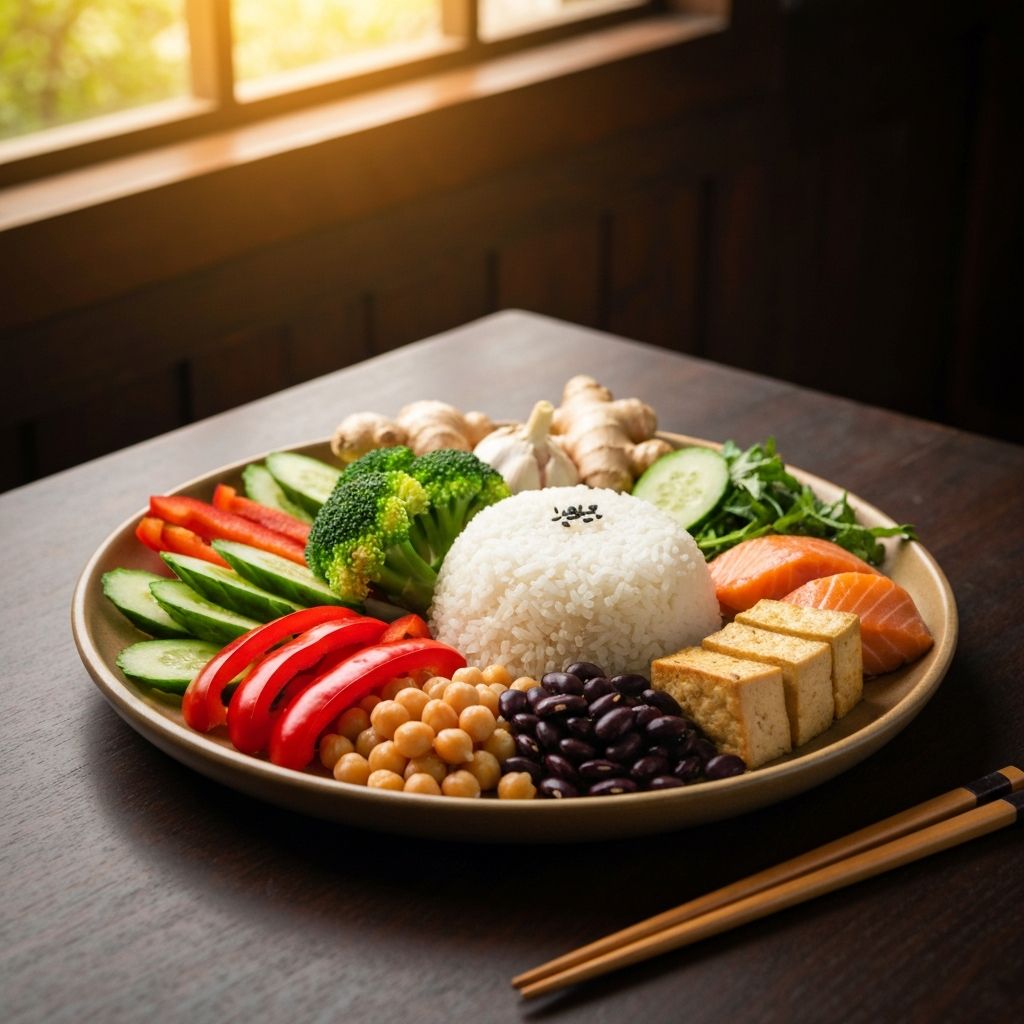
Asian Dietary Traditions
Often feature balanced proportions of vegetables, legumes, whole grains, and lean proteins. These patterns demonstrate how plant-based foods can form the foundation of nutritious daily eating across diverse regions.
Common Principles Across Cultures
Most sustainable dietary patterns worldwide share fundamental principles: emphasis on whole foods, variety in food sources, moderate portions, and balance between plant and animal-based options. These universal themes reflect nutritional science.
Understanding Food Labels (General Guide)
Reading food labels empowers informed dietary choices. Labels provide standardized information about serving sizes, ingredient lists, and key nutrient values including calories, protein, fats, carbohydrates, and micronutrient content.
Understanding label components—serving size distinctions, ingredient order by weight, and nutrient percentages—enables comparison between products and awareness of what you're consuming. This basic literacy supports thoughtful food selection.
Learn More
Limitations and Context
Educational Content Only. The information presented on Nymaro is for general informational and educational purposes only. It does not constitute professional medical advice, diagnosis, or treatment recommendations. Individual nutritional needs vary based on age, health status, activity level, and personal circumstances. No single dietary approach is universally applicable. This content is not intended to replace consultation with qualified healthcare professionals regarding health decisions. Nymaro provides explanations of nutritional concepts, not individualized guidance.
Continue Your Nutritional Exploration
Nymaro provides educational resources to deepen your understanding of nutrition and wellness. Explore specific topics, review common questions, or contact us for more information.
Learn About NymaroEducational content only. No promises of outcomes.